

How to Remove Mehendi Stains from Clothes Safely
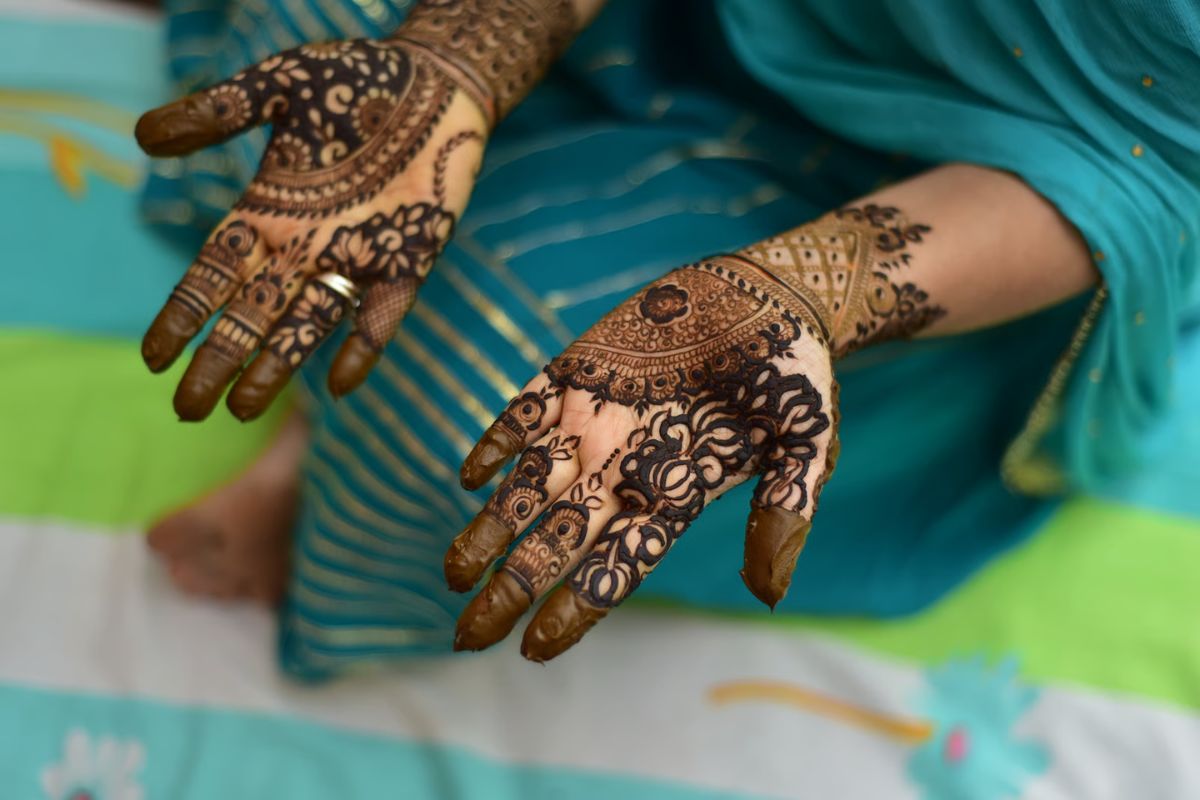
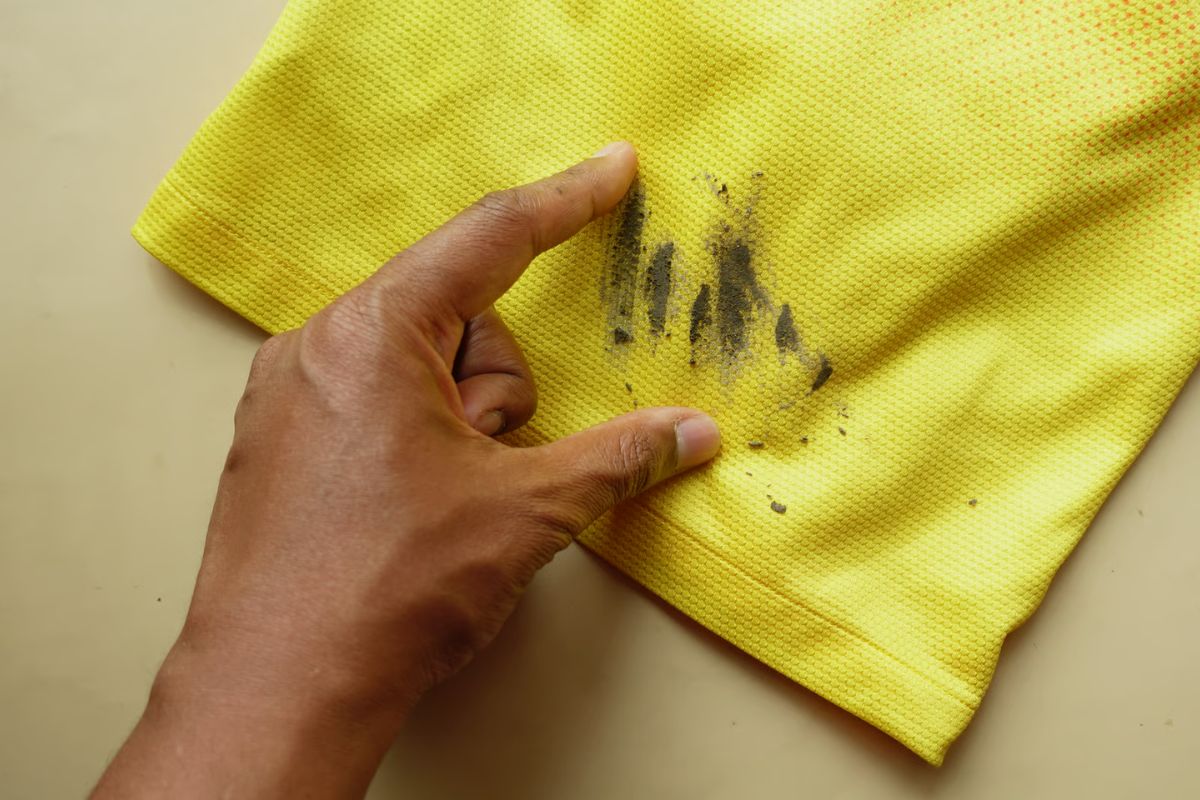
Learning to remove mehendi stains from clothes is a wedding-season survival skill: the bride’s dupatta pressed against fresh cones, the cousin’s kurta that leaned into a hug too early, the bedsheet that hosted the drying hands overnight. Mehendi is designed to stain skin for weeks – and it treats fabric with the same ambition. The rescue is very possible, but only in the right order, because henna’s dye deepens with time, warmth and every wrong remedy. This guide gives you the exact sequence, fabric rules and honest limits.
Why Mehendi Stains Behave Differently From Other Stains
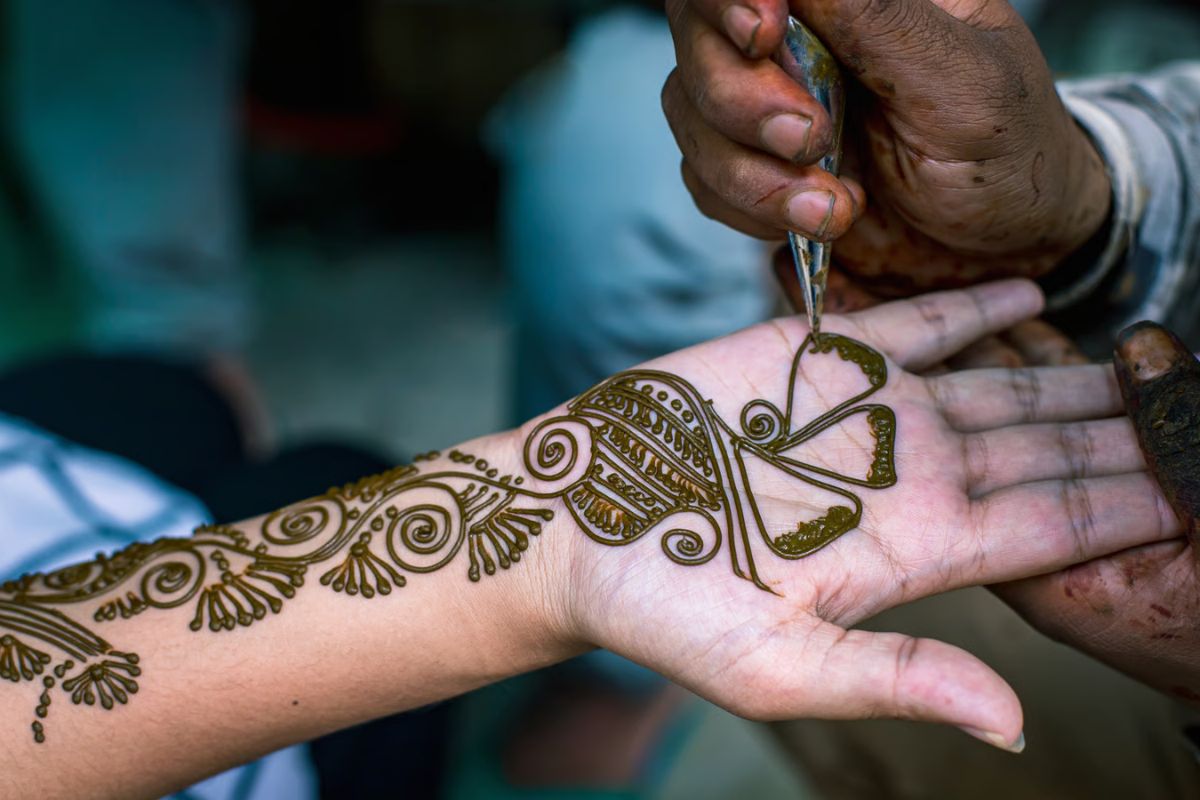
Henna’s active dye, lawsone, bonds with keratin and cellulose – which is why it colours skin, hair and cotton with equal enthusiasm. Worse, the stain matures: what transfers as pale orange oxidises toward deep brown over 24-48 hours, exactly like it does on hands.
Mehendi stains set with heat - blot fresh henna, avoid hot water, and use milk-soak or professional treatment for set stains.
That maturing window is the whole game. A fresh henna stain on fabric treated within hours releases substantially; the same stain after two warm days has oxidised into the fibre and fights every home method. Speed is not a tip here – it is the mechanism.
The Fresh Mehendi Rescue Sequence (First Two Hours)
Work gently and in order. First, lift any paste still sitting on the fabric with a blunt edge – scrape sideways, never press down. Second, blot the area with a dry cloth; no water yet, and absolutely no rubbing, which drives dye between fibres. Third, rinse in cold water from the reverse side of the fabric. Fourth, the classic that actually works: soak the stained zone in cold milk for 30-60 minutes – milk’s proteins compete for the dye – then wash normally with mild detergent in cold water. Air-dry in shade and reassess. These mehendi stain removal tips succeed most often on cotton and dupatta-weight fabrics treated the same day.
- Step 1: scrape off paste sideways with a blunt edge - never press it in
- Step 2: blot dry; no water, no rubbing at this stage
- Step 3: cold rinse from the fabric's reverse side
- Step 4: cold milk soak 30-60 minutes, then a cold mild-detergent wash, shade-dry
Fabric-by-Fabric: What Each Material Allows
Cotton and denim tolerate the full sequence plus a repeat round. Whites can follow up with an oxygen-based brightener – never chlorine, which reacts with henna toward permanent yellow-brown. Georgette and synthetics release less and snag easily, so soak rather than work the fabric. And silk, chiffon and anything embroidered – which is most actual mehendi-night wear – should skip home treatment beyond blotting: delicate fibres and metallic work lose more to remedies than to the stain.
The Set Stain Problem: 48 Hours and Beyond
Once henna has oxidised for two days – especially through warm Delhi nights – home odds drop sharply. This is where wedding mehendi stain rescue becomes a professional job: dye-specific chemistry can still lift or dramatically fade set henna on many fabrics, but each failed home experiment before that narrows the window. The honest rule: one gentle home cycle, then escalate anything that matters.
- Same-day treatment: strong odds on cotton and sturdy weaves
- 24-48 hours: fading achievable, complete removal harder
- Beyond 48 hours: professional chemistry is the realistic route
- Any silk, zari or embellished piece: professional from the start
The Mehendi Night Prevention Playbook
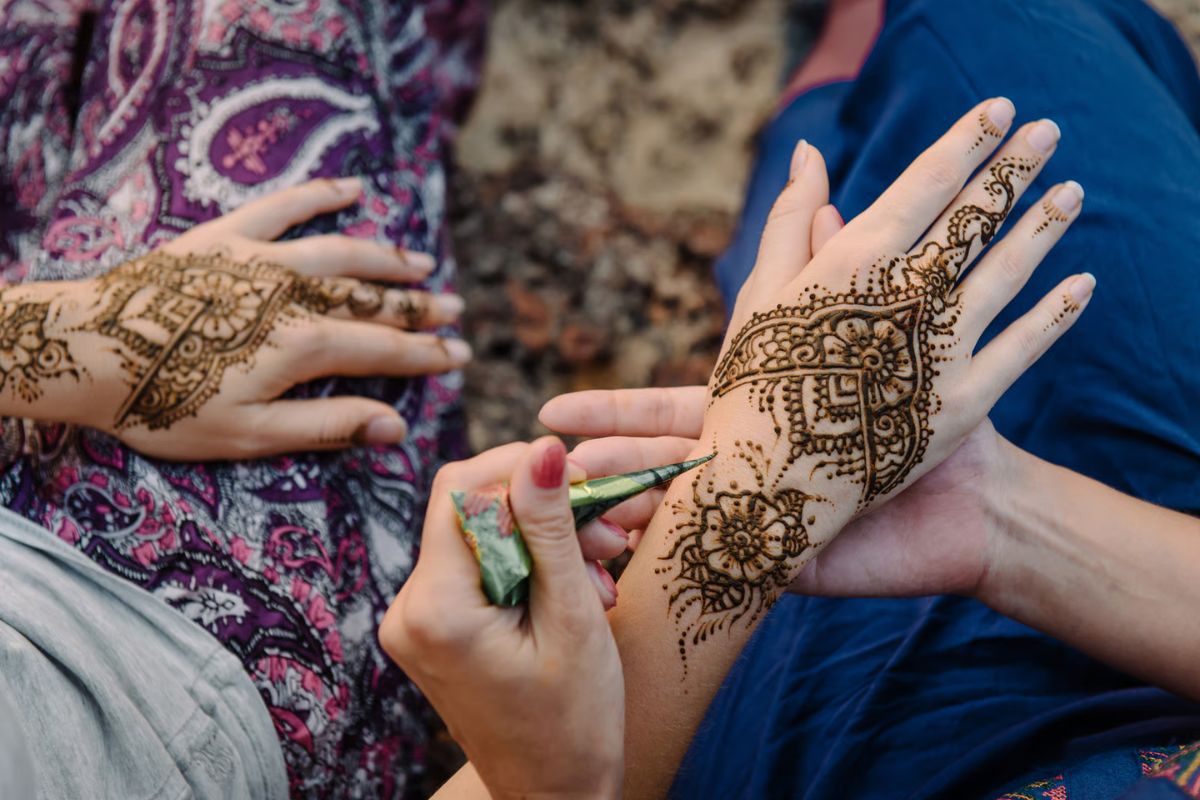
The cheapest rescue is the one avoided at the function: seat the mehendi-fresh guests on covered surfaces (old bedsheets earn their keep), keep a stack of paper napkins beside the cones for the inevitable smudge moment, warn the fresh-hands crowd off pale outfits for the first hour, and change pillowcases for the drying-overnight sleepers. Hosts who run these four habits wake up to laundry, not casualties.
Why Cloud Dhobi for Mehendi Stain Rescue in Delhi
Every wedding season, Cloud Dhobi’s stain team works through Delhi’s mehendi aftermath: dye-specific treatment for oxidised henna, delicate-line care for the silk and embellished pieces that host the worst of it, and honest odds stated before you spend a rupee.
- Henna-specific dye treatment beyond home chemistry's reach
- Delicate and embellished pieces on the specialist line
- Whites treatment without chlorine's yellow-brown trap
- Honest assessment - rescue odds stated upfront
- Wedding-season batch pickups across Delhi NCR
When Each Garment Goes Which Route
The post-mehendi sorting guide:
- Cotton kurtas and dupattas, same-day: full home sequence - good odds
- Denim and sturdy weaves: home sequence plus one repeat
- Whites: home sequence, then oxygen brightener - never chlorine
- Georgette and synthetics: soak-led gentle round, early escalation
- Silk, chiffon, zari, embroidery: blot only, then professional
- Bedsheets and covers: home sequence in bulk - the forgiving category
What Decides Whether a Mehendi Stain Comes Out?
Five factors set every henna stain’s fate:
- Time: the oxidation clock - hours matter, days decide
- Fabric: cellulose cottons release; protein silks bond hardest
- Warmth: heat accelerates oxidation - cool storage buys time
- Paste load: a smear beats a soaked-through cone print
- Remedy restraint: fewer failed experiments leave chemistry more to work with
How Do Popular Home Remedies Compare to What Works?
Mehendi folklore is generous and mostly counterproductive:
- Lemon and hot water: both accelerate henna's darkening - the opposite of help
- Hard scrubbing with detergent bars: spreads dye and abrades the weave
- The cold-milk-and-restraint sequence plus early escalation: the quiet winner
Lemon deserves special mention: it deepens mehendi on hands, and it does the same on fabric. Half the set stains we receive were lemon-treated first – skip the folklore and trust the sequence.
Benefits of Getting the Rescue Right
The correct sequence repays the discipline: Need professional help to remove mehendi stains from clothes? book a free pickup in under a minute.
- Everyday cottons and dupattas recovered fully, same week
- Whites saved without the chlorine yellowing trap
- Delicates preserved by restraint instead of ruined by remedies
- Set stains given their best professional odds
- Next function hosted without fabric anxiety
There is a host-confidence benefit too: once the household trusts the protocol, mehendi nights get more generous – more cones, more guests, more photographs – because the aftermath has a system.
Which Is Better: Home Treatment or Professional for Mehendi Stains?
The split is clean and fabric-led:
- Home sequence: fresh stains on cotton, denim, bedsheets and sturdy weaves
- Professional: set stains, silks, embellished pieces, and whites you love
When Should a Mehendi Stain Go Professional Immediately?
Skip home treatment beyond blotting when:
- The fabric is silk, chiffon or carries zari and embroidery
- The stain has already oxidised dark over a day or more
- The piece is bridal, heirloom or borrowed
- A home remedy has already been tried and failed
In those cases the fastest way to remove mehendi stains from clothes is the pickup – henna’s clock rewards whoever acts first with the right chemistry.
Why Choose Cloud Dhobi for Predictable, Transparent Pricing?
- Wedding-season batch pickups across Delhi, Noida, Gurgaon, Ghaziabad, Faridabad
- Henna-specific dye treatment with honest odds upfront
- Delicate and embellished garments on the specialist line
- Published per-piece rates quoted before treatment
- Re-clean guarantee on every rescue attempt
See the complete rate cards on our pricing page or go straight to Dry Cleaning to book. Every price is published before you order, and every order carries the re-clean guarantee that 30,000+ Delhi NCR customers rely on.
What People Say
“Mehendi is meant to stain for weeks – beating it on fabric is about speed and restraint, never about scrubbing harder.”
Final Thoughts
To remove mehendi stains from clothes, hold three rules: scrape and blot before any water, cold milk before any detergent, and professional chemistry before the 48-hour oxidation wall for anything that matters. Cloud Dhobi’s wedding-season rescue line handles the rest with honest odds and doorstep pickup across Delhi NCR. Host the mehendi generously – the protocol has the aftermath covered.
Frequently Asked Questions
How do I remove mehendi stains from clothes at home?
Scrape off paste sideways, blot dry, rinse cold from the fabric’s reverse, then soak the area in cold milk for 30-60 minutes before a cold mild-detergent wash. Shade-dry, reassess, and repeat once at most before escalating.
Does henna come out of white fabric?
Fresh transfers on white cotton respond well to the sequence plus an oxygen-based brightener afterwards – never chlorine bleach, which reacts with henna toward a permanent yellow-brown instead of white.
Why does the milk soak work on mehendi stains?
Milk’s proteins compete with fabric for henna’s lawsone dye, drawing it out of the fibre while the cold temperature keeps the stain from setting further – simple chemistry that outperforms most branded removers on fresh henna.
Can lemon remove mehendi from clothes?
No – lemon deepens henna, on hands and on fabric alike. It is the most damaging piece of mehendi folklore, and lemon-treated stains arrive at our facility measurably harder to rescue.
How long before a mehendi stain becomes permanent?
Henna oxidises toward permanence over 24-48 hours, faster in warmth. Same-day treatment has strong odds on cotton; after two days, professional dye chemistry becomes the realistic route.
What about mehendi on silk dupattas and lehengas?
Blot gently and stop – no water, no remedies. Silk bonds henna hardest and loses texture to home treatment, so delicate mehendi-night wear should go straight to professional care.
Can dried mehendi paste marks be removed from bedsheets?
Yes – bedsheets are the forgiving category: scrape the dried paste, run the cold sequence in bulk, and most cotton sheets recover fully within one or two washes.
Does hot water help with henna stains?
The opposite – heat accelerates henna’s oxidation and sets the stain. Everything in the rescue stays cold: cold rinse, cold milk, cold wash, shade drying.
Can set mehendi stains from last week still be treated?
Worth attempting, honestly assessed – set henna responds less than fresh, but dye-specific treatment still lifts or dramatically fades many week-old stains, especially on cotton. We state the odds before you spend.
Do you offer stain rescue pickup in Delhi?
Yes – free doorstep pickup and delivery across Delhi, Gurgaon, Noida, Ghaziabad and Faridabad, with wedding-season batch slots through the peak months.

Senior Fabric-Care Content Specialist, Cloud Dhobi
15+ years writing on garment care and laundry pricing in India. Vaibu helps Delhi NCR households spend on dry cleaning intelligently – and know which garments are genuinely worth the cost.
Stain refusing to budge? book a free pickup and let our stain specialists take over – free pickup, honest odds stated upfront, re-clean guarantee across Delhi NCR.
Recent Posts
Categories
- Accessories
- Accessories Cleaning Services
- Baby Care
- Blog
- Carpet Cleaning
- Cleaning & Hygiene
- Clothing Care
- Dry Cleaning Services
- Dry Cleaning Tips
- Express Laundry Services
- Fabric Care
- Gym Hygiene Tips
- Home Services
- Laundry Services
- Laundry Tips
- Lifestyle
- Sanitization Services
- Shoes Cleaning
- Steam Iron
- Sustainability Trends
Tags
- #AccessoryCleaning
- #CarpetCare
- #ClothesCare
- #ClothesMaintenance
- #ClothingCare
- #CloudDhobi
- #CloudDhobiFranchise
- #CommercialCleaning
- #DelhiLaundry
- #DesignerClothesCare
- #DryCleanGuide
- #DryCleaning
- #DryCleaningTips
- #EcoFriendlyLaundry
- #FabricCare
- #FabricProtection
- #FranchiseOpportunity
- #FreshLaundry
- #Laundry
- #LaundryBusiness
- #LaundryCare
- #LaundryFranchise
- #LaundryFranchiseIndia
- #LaundryGuide
- #LaundryInDelhi
- #LaundryService
- #LaundryServices
- #LaundryTips
- #LuxuryClothingCare
- #OfficeHygiene
- #ProfessionalDryCleaners
- #WardrobeCare
- Blanket Dry Cleaners
- Clothes Care Tips
- Deep Cleaning Process
- Dry Cleaning
- Eco-Friendly Cleaning Services
- Fabric Maintenance Guide
- Gentle Fabric Cleaning
- Laundry Services
- Laundry Trends 2025
- On-Demand Laundry
- Premium Dry-Cleaning
- Services
- Smart Laundry Technology