
How to Remove Nail Polish Stains from Clothes Without Damage
Knowing how to remove nail polish stains from clothes is really about knowing one dangerous solvent very well: acetone dissolves nail polish beautifully – and it also dissolves acetate, triacetate and modacrylic fabrics on contact, melting holes where the stain used to be. Between a mid-manicure wobble on the bedsheet, a dropped bottle on denim and a wet-nail brush against a kurta, every household meets this stain eventually. This guide covers the wet-spill protocol, the freeze-and-chip method for dried polish, and the fabric checklist that must come before any acetone touches anything.
Why Nail Polish Is a Solvent Problem, Not a Washing Problem
Nail polish is lacquer: film-forming resins and pigments suspended in fast-evaporating solvents, designed to harden into a waterproof shell. Once it touches fabric, water and detergent are spectators – the polish has already begun curing into a plastic film gripping the fibres.
Nail polish needs acetone - but only on acetone-safe fabrics; freeze-and-chip dried spills and send synthetics to professionals.
Removal therefore means re-dissolving the film with the same class of solvent that carried it – which is why every serious nail paint on fabric rescue runs through acetone or its gentler cousins, and why the fabric-safety check is the step that decides everything.
Step Zero: The Acetone Safety Check (Non-Negotiable)
Before any remover touches the garment, read the fabric label. acetone safe fabrics include cotton, denim, linen, polyester and wool; the danger list is acetate, triacetate and modacrylic, which acetone melts into holes – and many festive linings and shiny party fabrics are exactly these. If the label is missing or ambiguous, test: one drop of remover on an inside seam, wait two minutes, and check for any tackiness, colour lift or texture change. Silk and rayon pass the melt test but dull easily – they default to professional care. Two minutes of testing prevents the only mistake in this rescue that cannot be undone.
- Check the label: acetate, triacetate and modacrylic mean NO acetone, ever
- No label? Test one drop on an inside seam and wait two minutes
- Cotton, denim, linen, polyester: acetone-tolerant with the blot technique
- Silk, rayon, embellished: skip home solvents - professional line only
The Wet Spill Protocol (Speed Without Panic)
A wet spill is the best-case scenario – move calmly and fast. Lift excess polish off the surface with a spoon edge, working from outside in; do not wipe, which paints a bigger stain. Place an absorbent cloth underneath, then dab acetone-dampened cotton from the stain’s edges toward the centre, letting dissolved polish transfer downward – swap the backing cloth constantly as it colours. Keep dabbing with fresh cotton until no more colour lifts, then wash normally. A nail polish spill on jeans handled this way within minutes routinely vanishes completely; the same spill left to cure overnight becomes a two-stage job.
The Dried Polish Method: Freeze, Crack, Dissolve
Dried polish gets a different opening move: harden it further before dissolving. Place the garment in the freezer for 30-40 minutes (or hold an ice cube in a bag against the spot), then flex the fabric and chip the brittle polish off with a blunt edge – most of the film pops away mechanically. Only then start the acetone dab on the thin residue left in the weave. Chipping first means the solvent works on a fraction of the polish, which protects both the fabric and your patience.
- Freeze 30-40 minutes until the polish turns brittle
- Flex and chip the film off with a blunt edge - most lifts mechanically
- Acetone-dab only the thin residue, edges inward, backing cloth beneath
- Wash normally, shade-dry, and repeat the dab once if a shadow remains
The Manicure Zone Playbook (Prevention That Actually Holds)
Every polish stain starts at the same three scenes: the bed manicure, the sofa touch-up and the rushed pre-function coat. The playbook: a dedicated old towel as the manicure mat (the single highest-value habit), bottles opened and parked on a hard surface rather than a mattress, tights and delicates worn only after the ten-minute dry mark, and the remover bottle stored upright inside a zip pouch – remover spills discolour more wardrobes than polish ever does.
Why Cloud Dhobi for Nail Polish Stain Rescue in Delhi
Cloud Dhobi’s stain line handles what home acetone should not: lacquer removal from silks, rayons and embellished pieces, colour-restoration where pigments have bitten, and honest verdicts on cured spills – stated before you spend.
- Lacquer-safe solvent systems for the fabrics acetone endangers
- Delicate and festive-wear specialist line
- Colour and finish restoration after pigment bite
- Honest cured-spill assessments upfront
- Free pickup across Delhi NCR
When Each Garment Goes Which Route
The polish-spill sorting guide:
- Cotton, denim, linen - wet spill: full home protocol, excellent odds
- Same fabrics - dried spill: freeze-chip first, then dab
- Polyester blends: home protocol after the seam test
- Acetate, triacetate, shiny linings: no home solvents - professional only
- Silk, rayon, embellished: blot excess and go professional
- Carpets and upholstery: a different protocol - ask about home textile care
What Decides Whether a Polish Stain Comes Out?
Five factors set every spill’s fate:
- Cure time: wet spills vanish; overnight films fight
- Fabric chemistry: the acetone-safe list is the whole ballgame
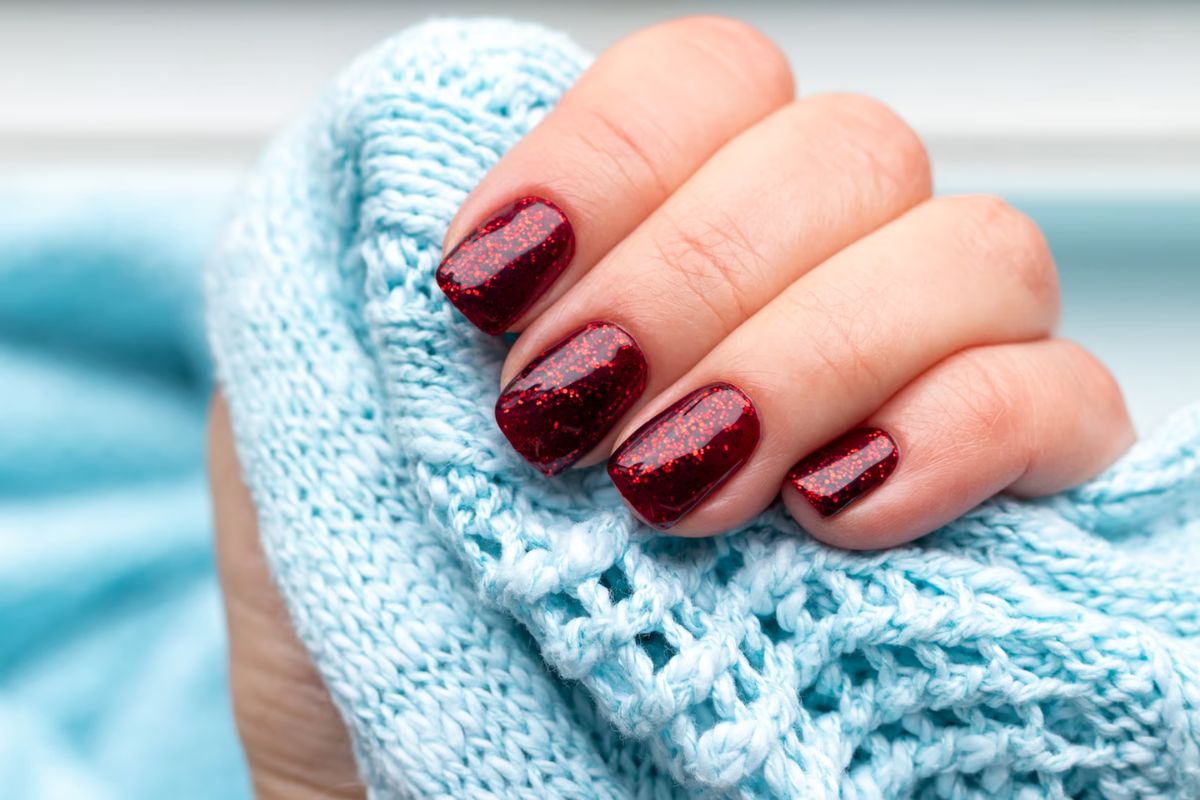
- Pigment strength: deep reds and glitters bite harder than sheers
- Technique: dabbed transfers lift; wiped smears spread
- Solvent quality: pure acetone outworks diluted removers on sturdy fabric

How Do Common Approaches Compare to What Works?
The polish-spill folklore, scored honestly:
- Scrubbing with detergent: polishes the film into the weave - pure loss
- Non-acetone remover on tough spills: gentler, slower, often too weak
- Freeze-chip plus tested acetone dab: the sequence that keeps winning
The heartbreaks we see are rarely the polish – they are acetone holes in acetate linings and dye-stripped patches from untested dabbing. The two-minute seam test is the entire difference between rescue and regret.
Benefits of Getting the Rescue Right
The tested, ordered approach repays itself: Need professional help to remove nail polish stains from clothes? book a free pickup in under a minute.
- Wet spills on everyday fabrics erased completely, same hour
- Dried films defeated mechanically before solvents even start
- Delicates and linings saved from the acetone-hole tragedy
- Deep pigments out-patienced with rounds instead of force
- Manicures relaxed instead of conducted like surgery
The bigger win is confidence: a household that knows the freeze-chip trick and the fabric danger-list stops fearing the polish bottle – and the manicure towel habit quietly retires the whole category of accident.
Which Is Better: Acetone or Non-Acetone Remover for Fabric?
Both have a lane, and the fabric picks it:
- Pure acetone: the workhorse for cotton, denim and linen after the seam test
- Non-acetone remover: the gentler try for uncertain blends - weaker but safer
When Should a Polish Stain Go Professional Immediately?
Skip home treatment entirely when:
- The fabric is silk, rayon, acetate or any shiny lining
- Embellishment, sequins or beadwork sit near the spill
- The polish is glitter or gel-formula on anything delicate
- A cured spill sits on a garment that genuinely matters
In those cases the safe way to remove nail polish stains from clothes is the specialist line – the fabrics acetone endangers are exactly the ones worth the pickup.
Why Choose Cloud Dhobi for Predictable, Transparent Pricing?
- Free pickup and delivery across Delhi, Noida, Gurgaon, Ghaziabad, Faridabad
- Lacquer-safe solvent systems by fabric
- Delicate, festive and embellished specialist care
- Published per-piece rates quoted before treatment
- Re-clean guarantee on every rescue
See the complete rate cards on our pricing page or go straight to Dry Cleaning to book. Every price is published before you order, and every order carries the re-clean guarantee that 30,000+ Delhi NCR customers rely on.
What People Say
“Nail polish is liquid plastic – you do not wash plastic out of fabric, you dissolve it, and only after the fabric says yes.”
Final Thoughts
To remove nail polish stains from clothes, hold the order sacred: fabric check first, freeze-chip for anything dried, acetone dabbed from the edges with a cloth beneath – and the professional line for every fabric on the danger list. Cloud Dhobi’s stain specialists handle the delicate half of this problem daily, with doorstep pickup across Delhi NCR. Keep the manicure towel handy, and the polish bottle loses its menace.
Frequently Asked Questions
How do I get nail polish out of clothes at home?
Lift wet excess with a spoon edge, place a cloth underneath, and dab acetone-dampened cotton from the edges inward until the colour stops transferring – then wash normally. Dried spills get frozen and chipped first so the solvent only fights the residue.
Is acetone safe on all fabrics?
No – acetone melts acetate, triacetate and modacrylic on contact, and many shiny linings and party fabrics are exactly these. Check the label, and when in doubt test one drop on an inside seam for two minutes before going anywhere near the stain.
How do I remove dried nail polish from jeans?
Freeze the jacket or jeans for 30-40 minutes, flex and chip the brittle film off with a blunt edge, then acetone-dab the thin remaining residue with a backing cloth beneath. Denim is acetone-tolerant and forgives this sequence well.
Can nail polish be removed from silk or rayon?
Not at home – both dull and water-mark under home solvents even when they survive the melt test. Blot any wet excess and send the piece to the specialist line; silk and rayon polish stains respond well to professional lacquer-safe systems.
Will nail polish remover bleach or discolour my clothes?
It can strip fabric dye along with the polish, which is why the two-minute seam test matters as much for colour as for melting. Dab tested areas only, and stop at the first sign of colour lifting onto your cotton pad.
How do I remove glitter nail polish from fabric?
With extra patience – chip everything mechanical first (glitter films crack well after freezing), then run more dab rounds than usual, as glitter binders grip harder. On anything delicate, glitter formulas go straight to professional care.
What removes nail polish without acetone?
Non-acetone removers work slower on sturdy fabrics, and warmed white vinegar can loosen light residue – both are worth trying on acetone-unsafe blends. If two gentle rounds fail, professional solvents are the honest next step.
Can a nail polish stain survive the washing machine and still be treated?
Often yes – a wash sets the film partially, but professional lacquer treatment still recovers many machine-washed spills, particularly on cotton and denim. Have it assessed before retiring the garment.
How do I get polish off bedsheets after a manicure spill?
Cotton sheets take the standard sequence happily: chip any dried film, dab with acetone over a backing towel, then machine wash. It is the most forgiving surface this stain ever lands on.
Do you offer stain rescue pickup in Delhi?
Yes – free doorstep pickup and delivery across Delhi, Gurgaon, Noida, Ghaziabad and Faridabad, with per-piece rates quoted before any treatment begins.

Senior Fabric-Care Content Specialist, Cloud Dhobi
15+ years writing on garment care and laundry pricing in India. Vaibu helps Delhi NCR households spend on dry cleaning intelligently – and know which garments are genuinely worth the cost.
Stain refusing to budge? book a free pickup and let our stain specialists take over – free pickup, honest odds stated upfront, re-clean guarantee across Delhi NCR.
Recent Posts
Categories
- Accessories
- Accessories Cleaning Services
- Baby Care
- Blog
- Carpet Cleaning
- Cleaning & Hygiene
- Clothing Care
- Dry Cleaning Services
- Dry Cleaning Tips
- Express Laundry Services
- Fabric Care
- Gym Hygiene Tips
- Home Services
- Laundry Services
- Laundry Tips
- Lifestyle
- Sanitization Services
- Shoes Cleaning
- Steam Iron
- Sustainability Trends
Tags
- #AccessoryCleaning
- #CarpetCare
- #ClothesCare
- #ClothesMaintenance
- #ClothingCare
- #CloudDhobi
- #CloudDhobiFranchise
- #CommercialCleaning
- #DelhiLaundry
- #DesignerClothesCare
- #DryCleanGuide
- #DryCleaning
- #DryCleaningTips
- #EcoFriendlyLaundry
- #FabricCare
- #FabricProtection
- #FranchiseOpportunity
- #FreshLaundry
- #Laundry
- #LaundryBusiness
- #LaundryCare
- #LaundryFranchise
- #LaundryFranchiseIndia
- #LaundryGuide
- #LaundryInDelhi
- #LaundryService
- #LaundryServices
- #LaundryTips
- #LuxuryClothingCare
- #OfficeHygiene
- #ProfessionalDryCleaners
- #WardrobeCare
- Blanket Dry Cleaners
- Clothes Care Tips
- Deep Cleaning Process
- Dry Cleaning
- Eco-Friendly Cleaning Services
- Fabric Maintenance Guide
- Gentle Fabric Cleaning
- Laundry Services
- Laundry Trends 2025
- On-Demand Laundry
- Premium Dry-Cleaning
- Services
- Smart Laundry Technology